
In professional sports, success is often measured by results, trophies, and championships. Undoubtedly, one of the main goals of any sports club is to achieve high sporting results. However, experience gained over the years shows that simply winning is not enough to establish a sustainable club culture.
In fact, a sports club is a diverse experience ecosystem.
Athletes, coaching staff, employees, fans, sponsors, federations, media representatives, and partners are all distinct yet closely interconnected parts of this ecosystem. The club's reputation is shaped by the relationships of all these parties with the club and the experiences they gain.
For this reason, it is not correct to view the concept of "experience" in sports management solely through the prism of fan satisfaction.
From the first day an athlete arrives at the club, how they are welcomed, the working conditions provided, the level of health and performance services, the trust shown, and professional communication — all these elements are integral to the experience they gain within the club.
The same approach applies to relationships with sponsors. I believe that a sponsor's collaboration with the club should not be limited to the advertising aspect. The sponsor should feel like a part of the club's vision, development, and path to success.
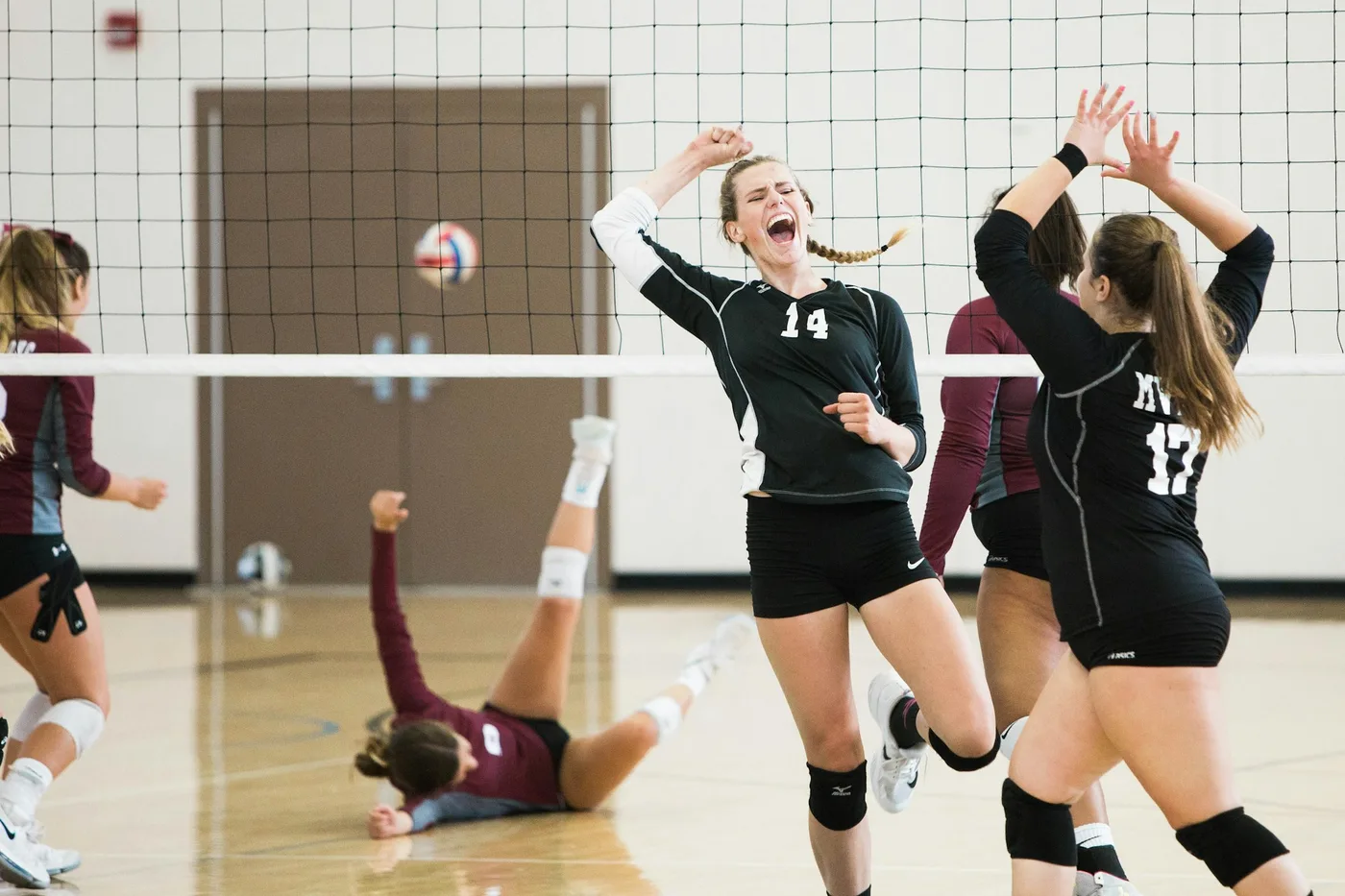
From the fans' perspective, the sports experience is no longer just about the 90 minutes of a football match or a few sets of a volleyball game. From digital communication to social media, from the atmosphere in the arena to the organisational level of events, every point of contact a fan has with the club shapes their perception of the club and the overall brand.
Professionalism particularly reveals itself when things do not go according to plan.
The nature of sports includes not only victories but also defeats, successes as well as injuries, and occasionally, crisis situations. One of the key aspects that distinguishes a strong club culture is maintaining consistency and trust in relationships with athletes, employees, and other partners during such times.
For this reason, trust, transparency, and long-term relationships hold a special place in our management approach. We believe that people should feel like a part of the organisation not only on successful days but also during challenging times.
In the modern sports world, clubs have also transformed into international brands. In an environment where athletes, coaches, and professionals from various countries work within the same structure, intercultural communication and corporate standards gain greater importance.
In such a context, the leaders' role is not just to bring together good athletes and a strong coaching staff. The main issue is to create a proper and professional environment where all these individuals can showcase their potential to the maximum level.
When athletes feel they are an integral part of a secure, valuable, and professional system, the results manifest on the field as well.
I believe that in the future, one of the main areas of competition among sports clubs will be "experience management."
Transfers may change, squads may be renewed, coaches and technical teams may be replaced. However, a strong organisational culture and the positive impression you leave in people's memories turn into long-term value.
In this regard, our success is not just about the trophy raised at the end of the season.
True success is being able to create an organisation where athletes want to work again, employees take pride in being part of it, sponsors strive for long-term partnerships, and fans genuinely feel like a part of that club.
Trophies indicate the success of a season. Culture and experience shape the future of the club.
About the Author - Sheref Yalcin
Sheref Yalcin is the president of DH Volley, a women's volleyball club in Baku. He served as a member of the Board of Directors of Beşiktaş JK from 2003 to 2013. During this time, he was responsible for the basketball department from 2003 to 2008 and 2010 to 2012, and for the football department from 2008 to 2010.
From 2014 to 2023, he worked as the chief coordinator for the Turkish Football Federation in Riva/Istanbul. He is currently a member of the Advisory Council of the Turkish Football Federation Foundation.